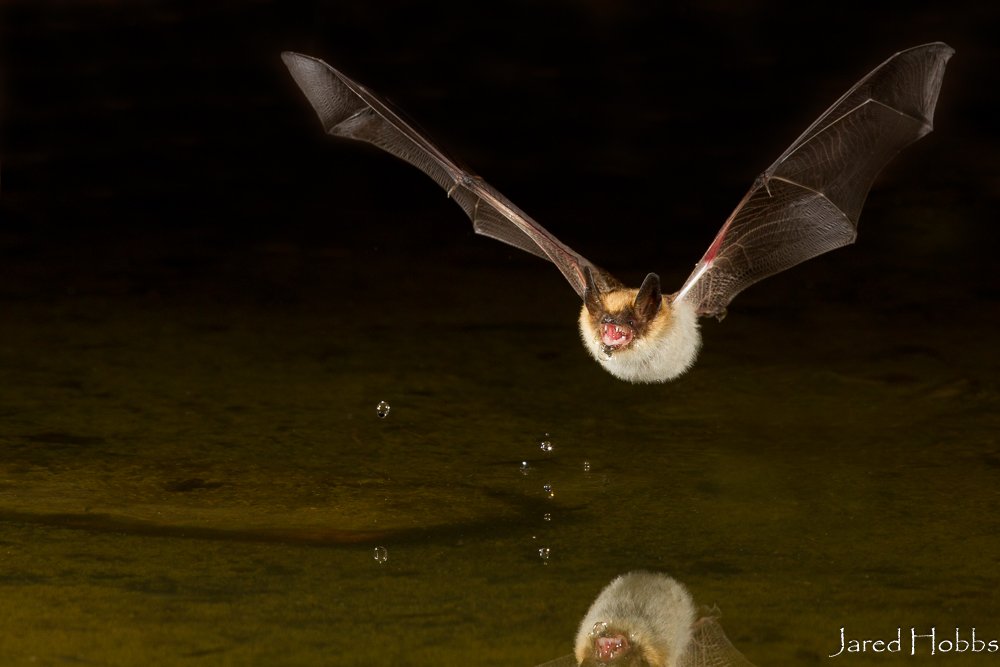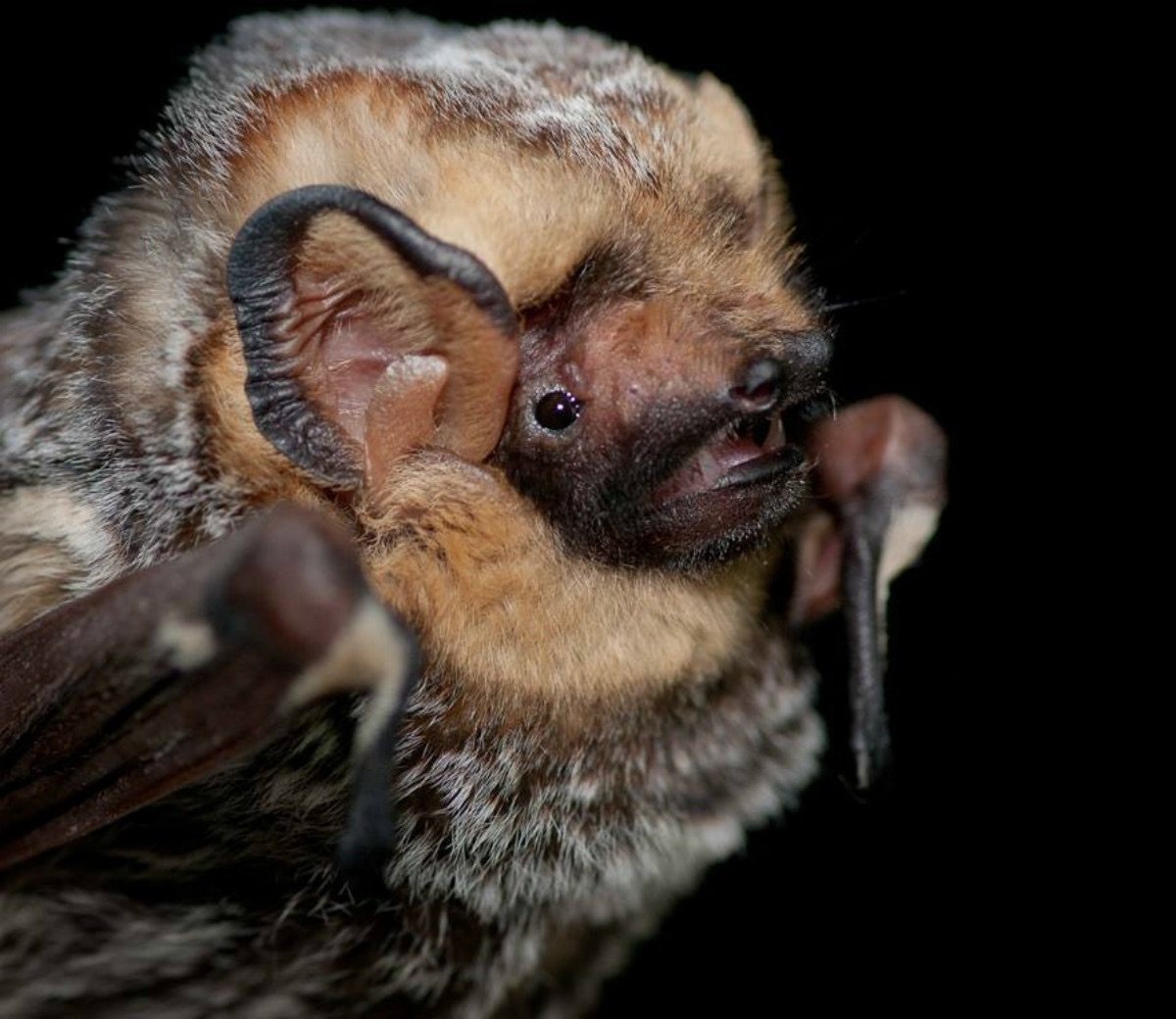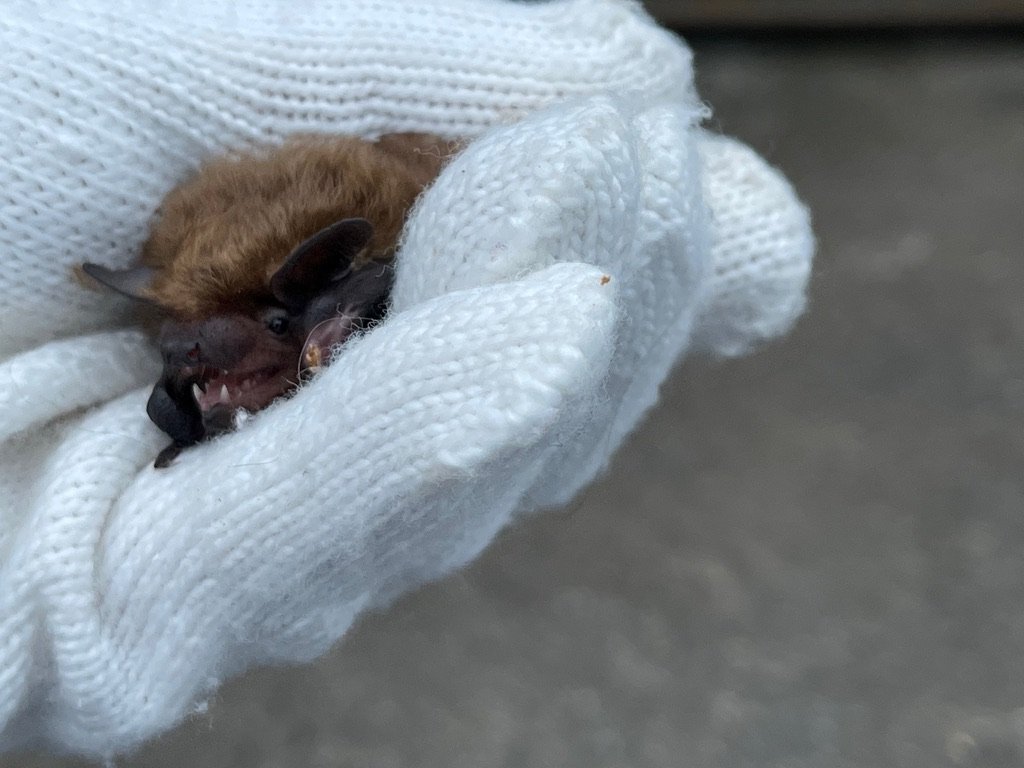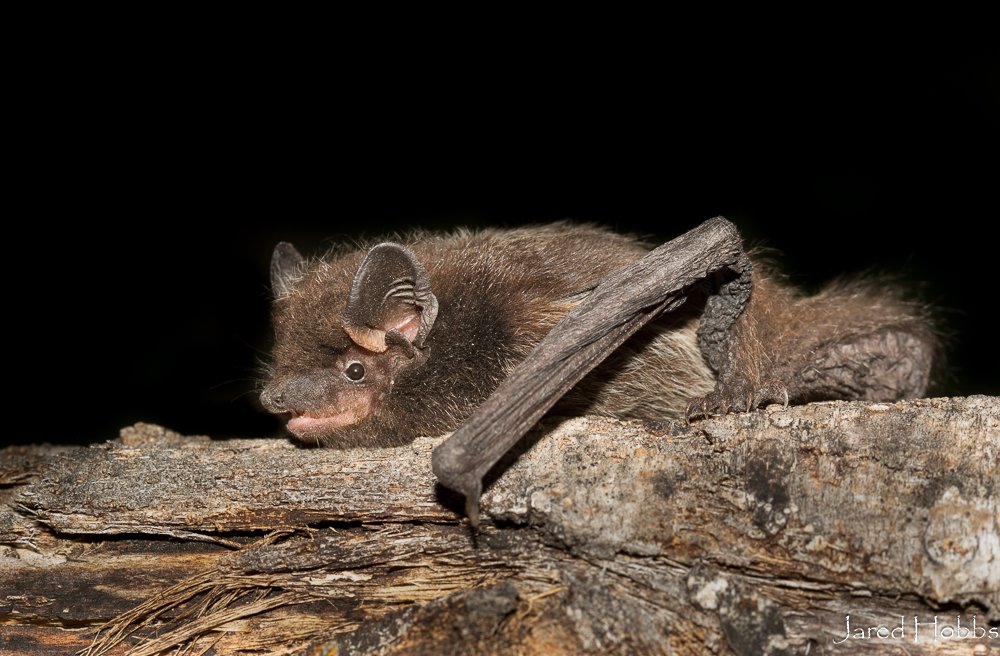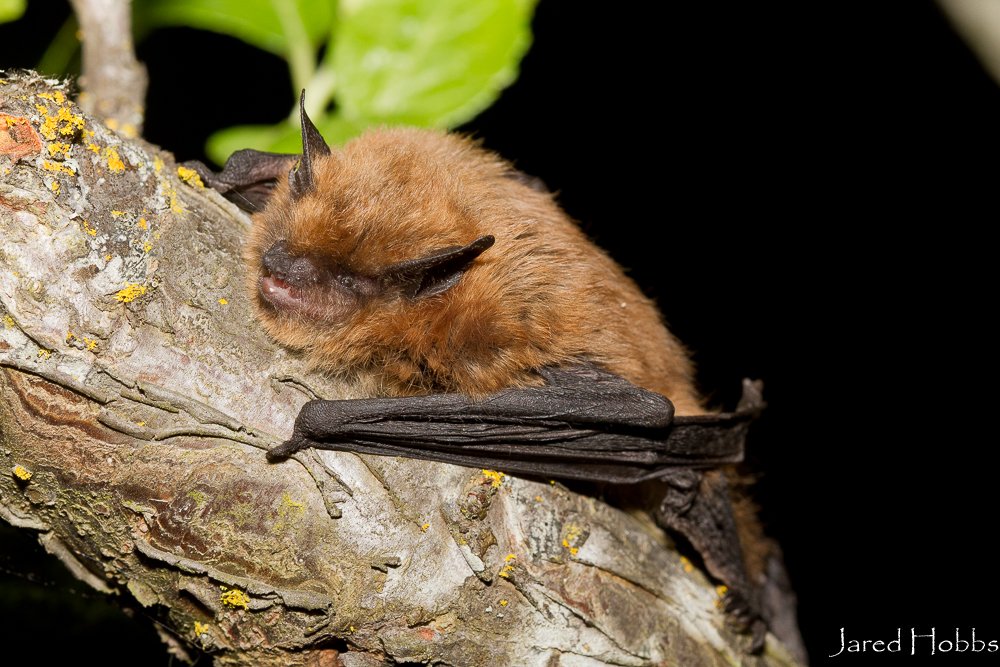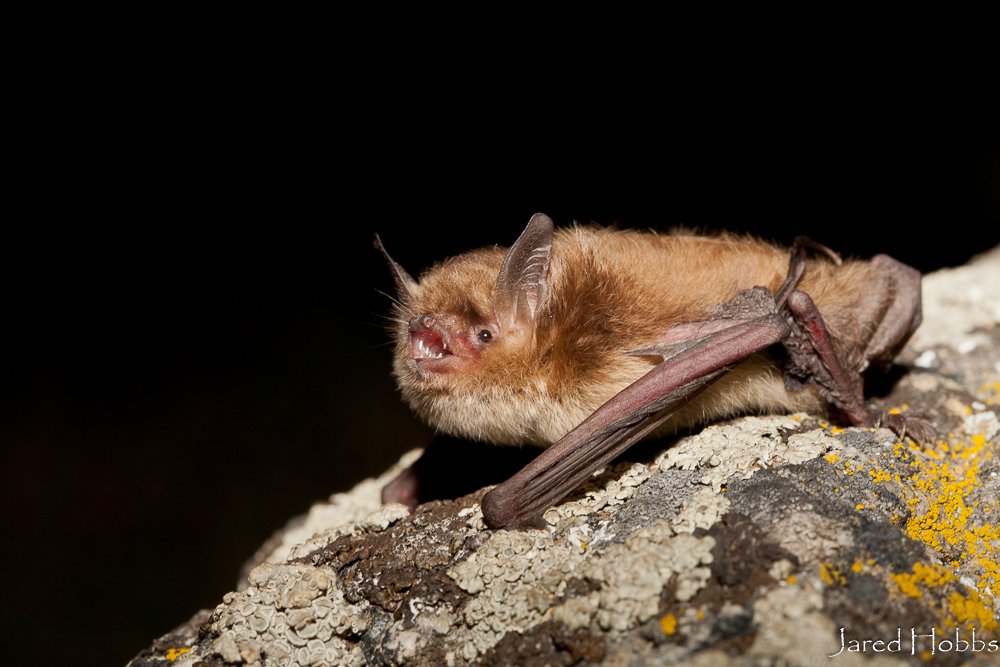
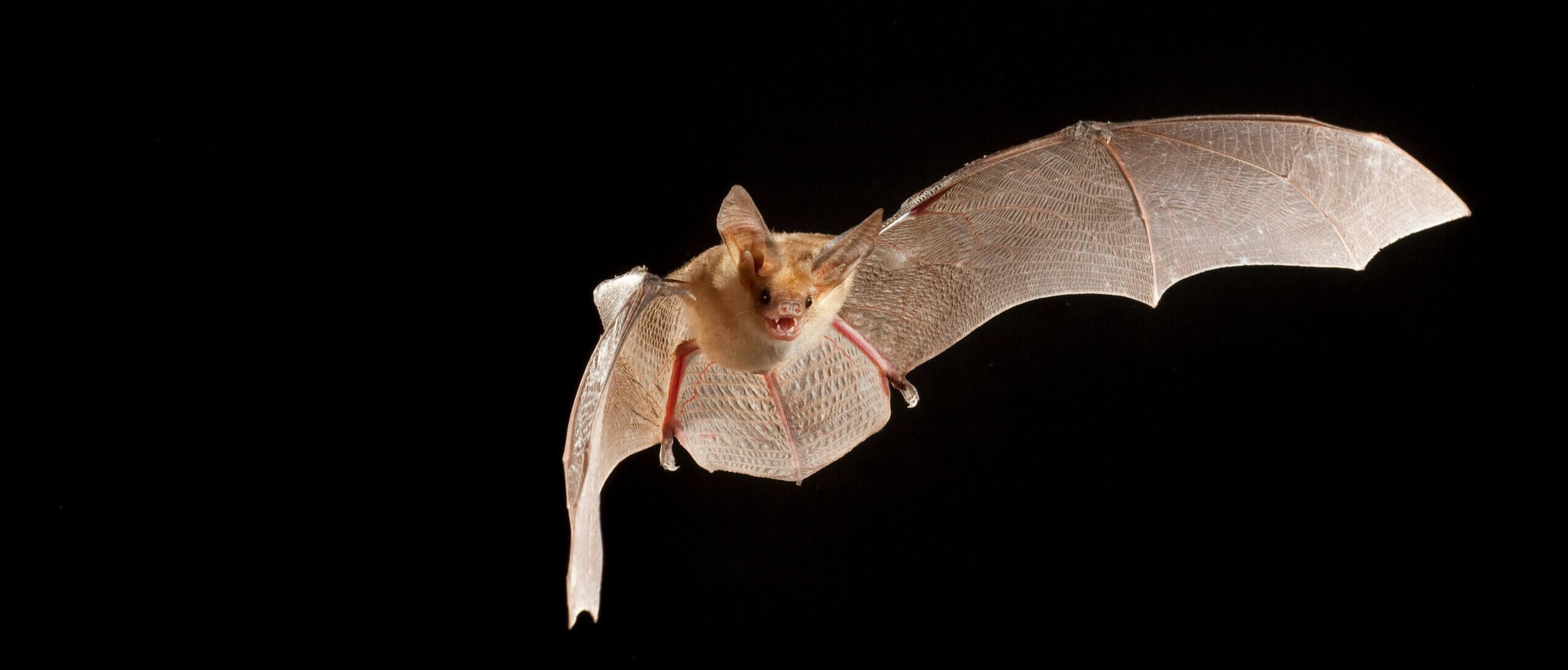
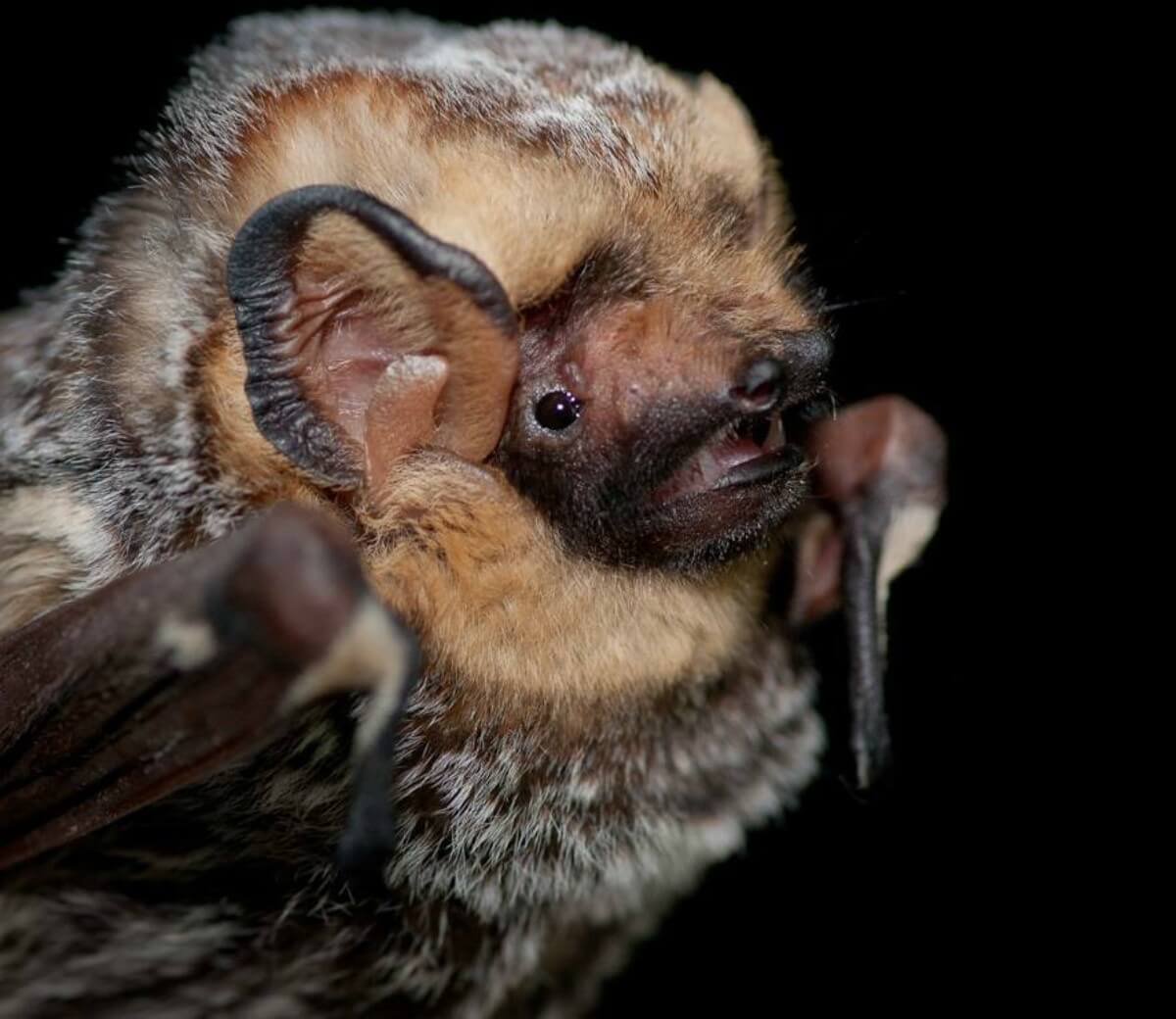
Bats are vital to our ecosystem.
(c) Michael Durham


Helping bats in Washington State
Bats Northwest envisions a future where the essential role of bats is understood, the public recognizes the vital place of bats in our environment and economy, and where all are inspired by their remarkable and invaluable contribution to our natural heritage.
Upcoming events
-
Browsers Bookshop: For the Love of Bats with Niki Desautels & Anneke Wilder
Tuesday, October 27
6PM - 7PMJoin us at Browsers Bookshop on Tuesday October 27th as they host Niki Desautels to discuss her new book For the Love of Bats. Joining Niki will be the book’s illustrator Anneke Wilder.
This event is free and open to the public.
-
Woodland Park Zoo: For the Love of Bats
Thursday, October 29
7PM - 8:30PMJoin Woodland Park Zoo for an evening of conversation about the new book For the Love of Bats: Exploring Nature at Night with the West’s Flying Mammals (by Niki Desautels; Illustrated by Anneke Wilder)
This event requires (free) registration to attend.
-
Tahoma Bird Alliance; Virtual Presentation: Bats in Cities and Suburbs
Thursday, November 12
Online via ZoomTahoma Bird Alliance and Bats Northwest come together for an evening about bats!
Join Bats Northwest educator and author Niki Desautels via Zoom for a presentation all about bats in our cities and suburbs.
Registration & a class fee is required for attendance.

Get Involved
Bats are at risk as a result of habitat destruction, the introduction of invasive species, hunting, and climate change. Bat populations could continue to decline, and without intervention, these threats could lead to species extinctions.
We have the power to help bat populations throughout Washington by working together. Join us in our mission to increase public awareness and promote a greater appreciation for bats.
White-nose syndrome
White-nose syndrome (WNS) is a disease that affects hibernating bats and is caused by a fungus, Pseudogymnoascus destructans, or Pd for short. Pd grows in cold, dark and damp places. It attacks the bare skin of bats while they’re hibernating in a relatively inactive state. As it grows, Pd causes bats to become active more than usual and burn up fat they need to survive the winter.
Community Science
Bats Northwest conducts and supports several research efforts in Washington.
Our volunteers aid in long-term acoustic monitoring projects in the Puget Sound area to gain insights into our species and their range. Programs like Bat Activity Trends (B.A.T.) involve the public in collecting observational data on local bat activity, teaching us about the habitats that support bats.